Properties Prepared for Safe Construction Work
Land Clearing in Sandy for lots requiring vegetation and debris removal before building begins
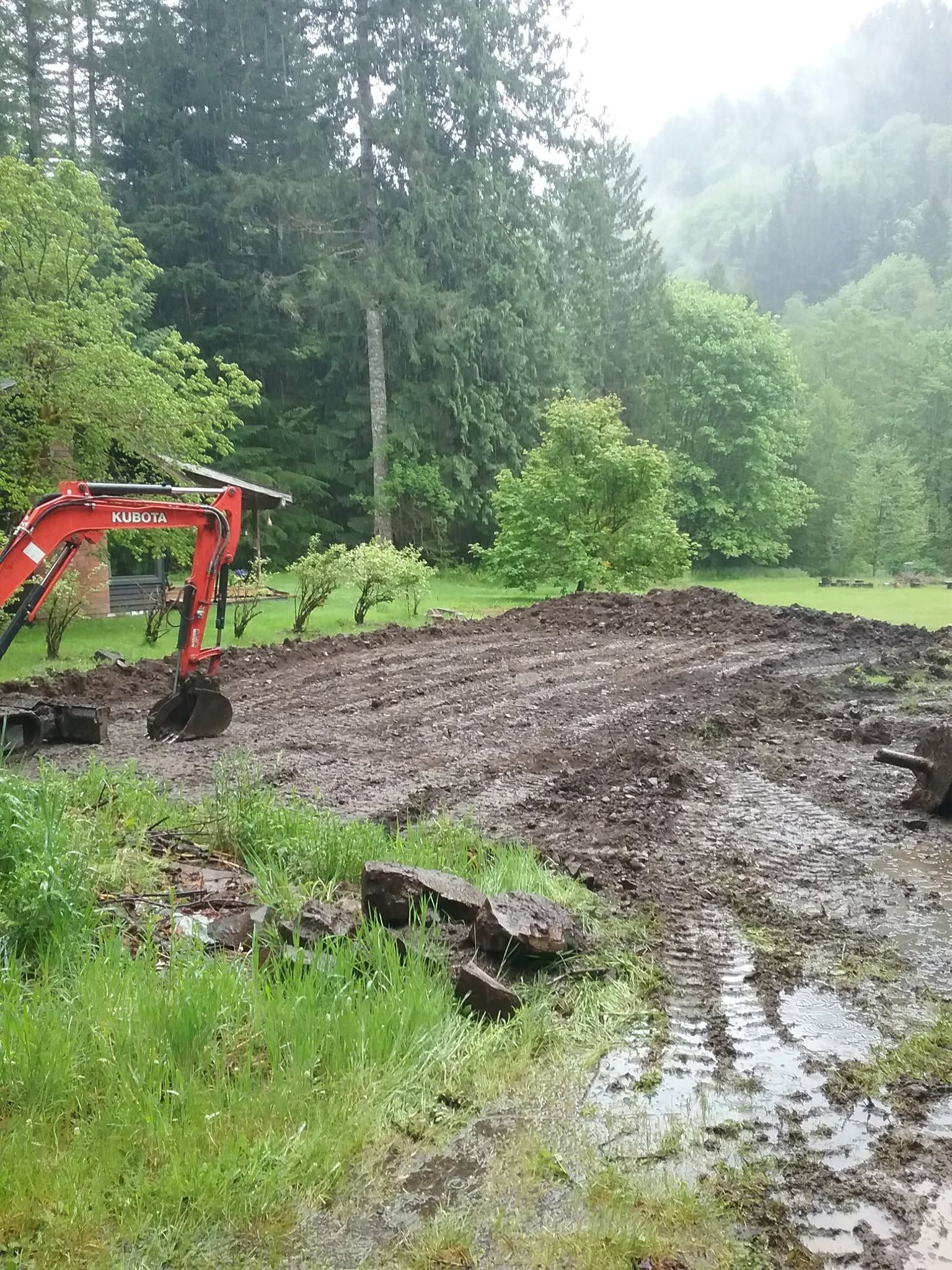
Dense brush, fallen timber, and overgrown vegetation prevent equipment access and hide ground conditions that affect construction planning. Timberline Construction LLC handles land clearing in Sandy for residential lots and larger properties where site obstacles must be removed before excavation or grading starts. After clearing finishes, the property becomes a visible, assessable work area where contractors can identify drainage issues, measure slopes accurately, and operate machinery without obstruction.
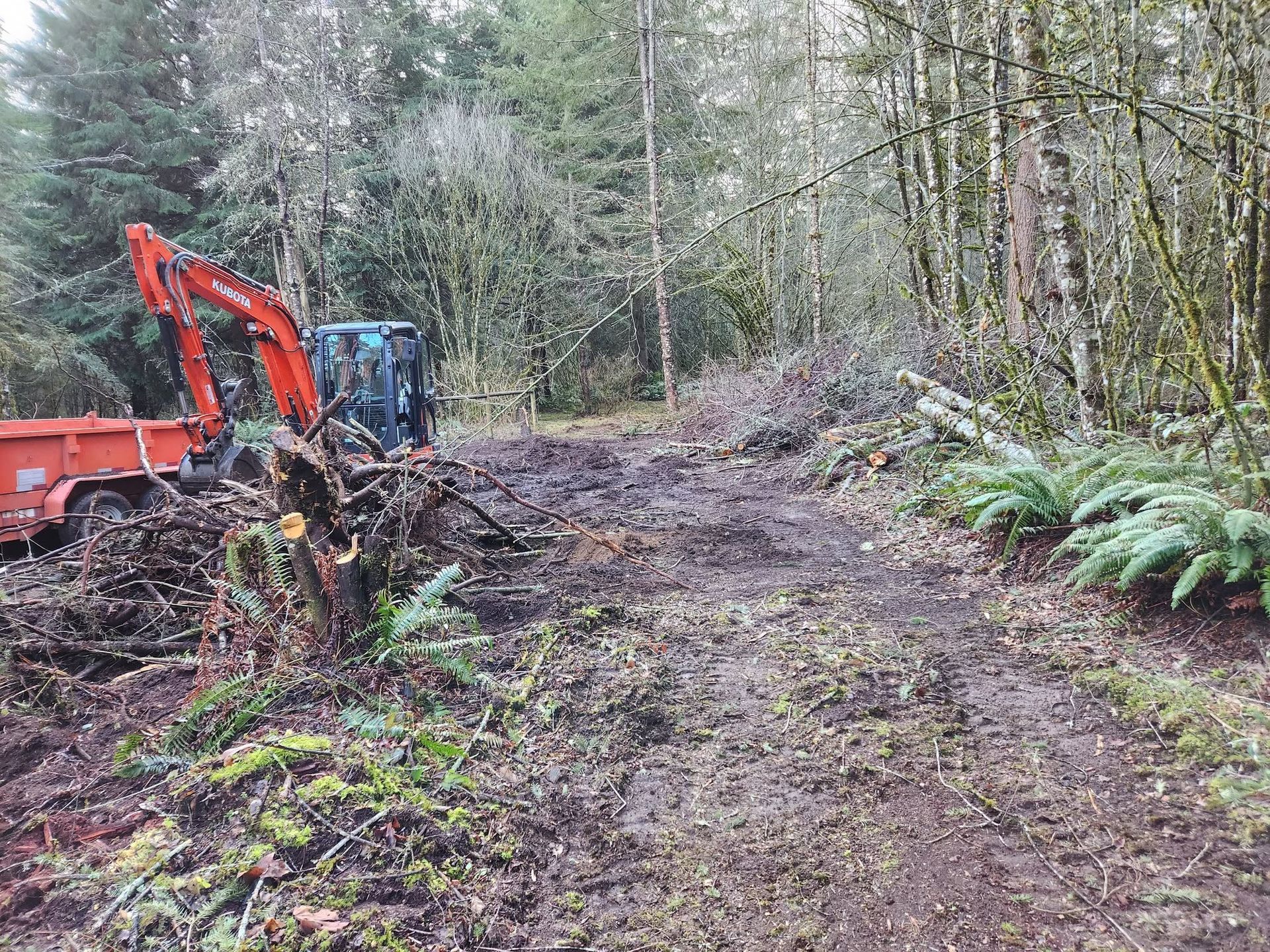
Land clearing removes trees, stumps, brush, and accumulated organic debris, then grades the surface to expose underlying soil conditions. The work creates defined project boundaries and eliminates fire hazards from deadfall and dry vegetation common on undeveloped Northwest Oregon properties.
Arrange an on-site consultation to review property boundaries and discuss clearing depth requirements.
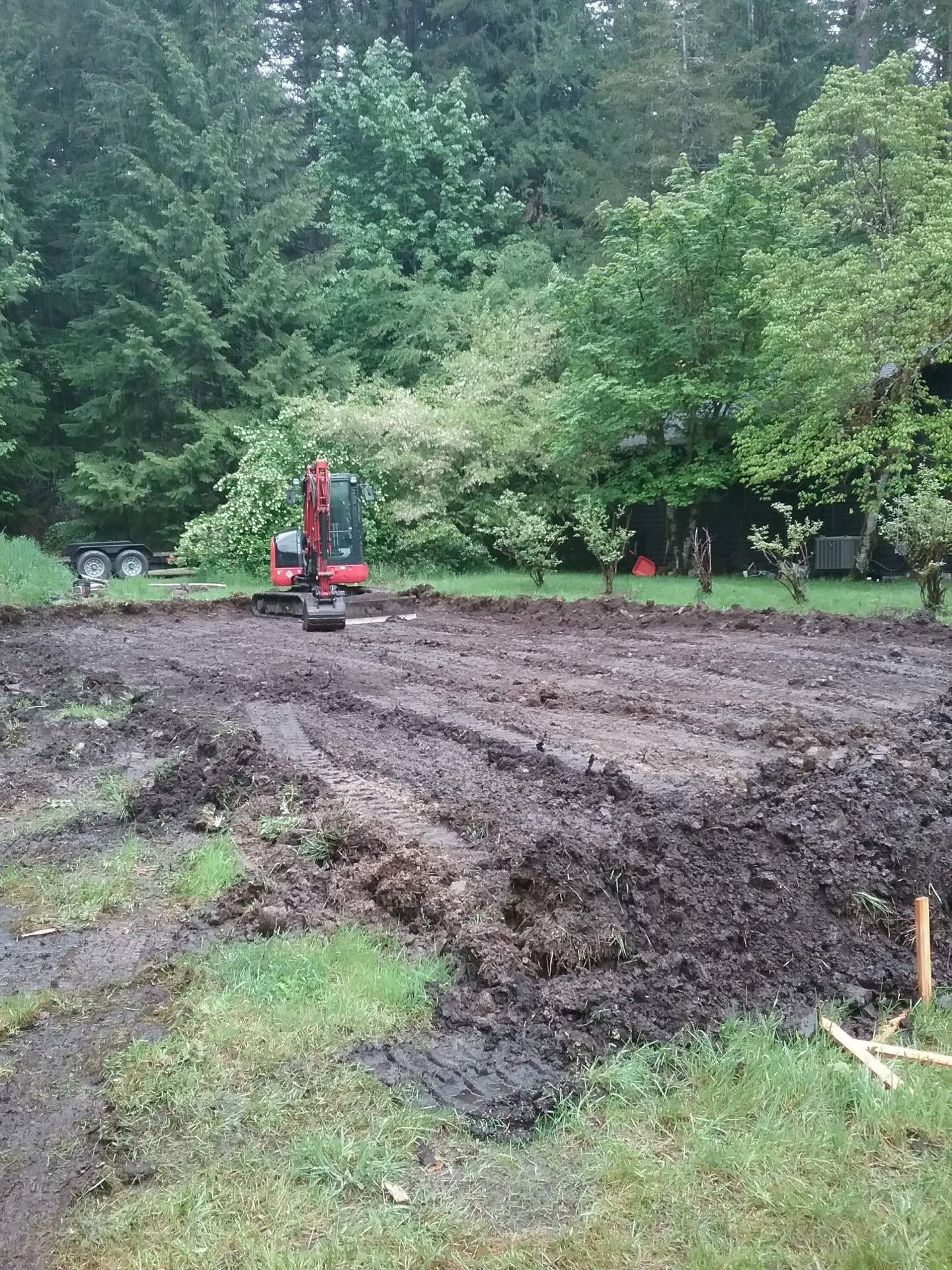
How Land Clearing Addresses Site Obstacles
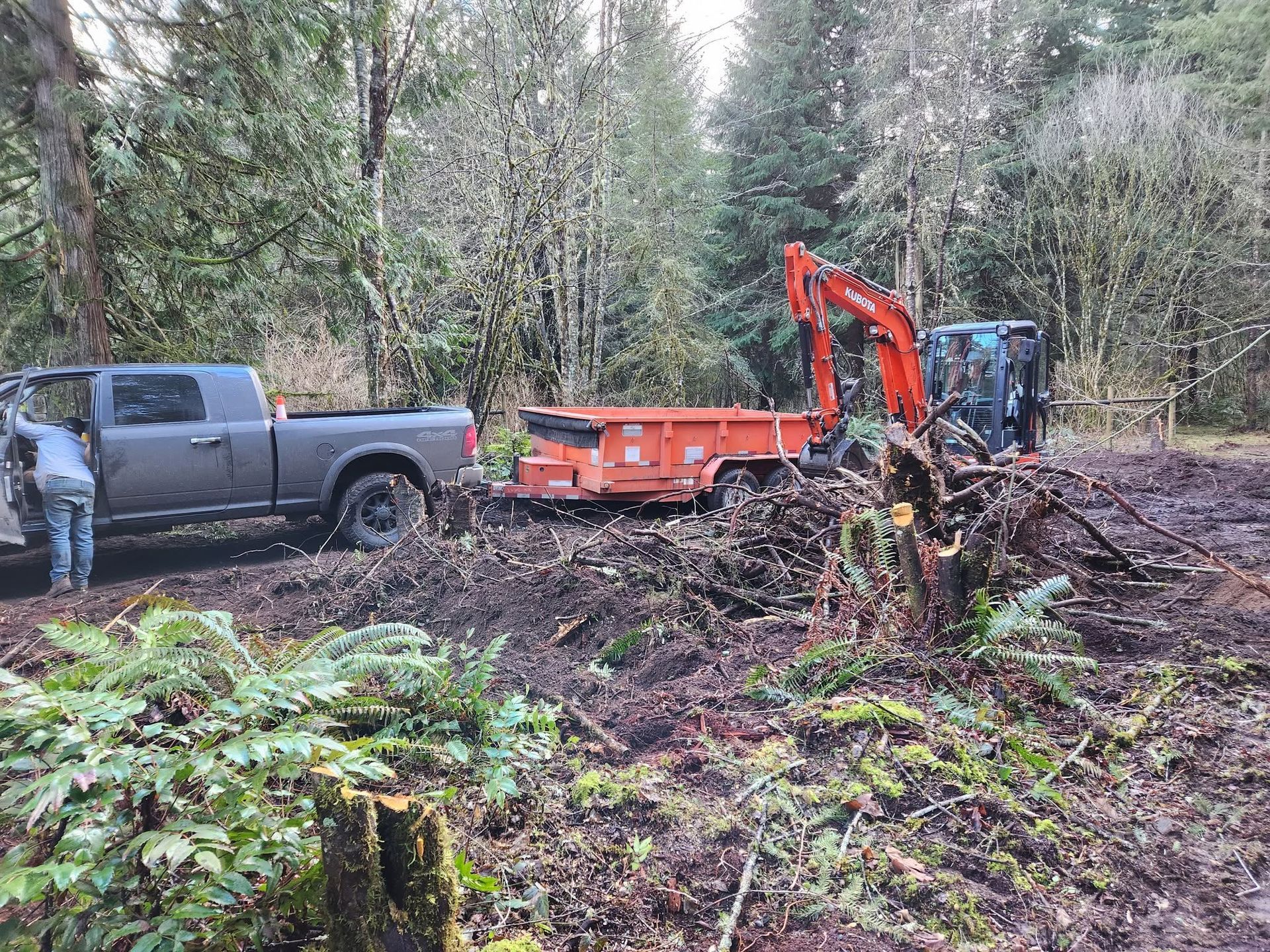
Clearing work begins by cutting and removing standing vegetation, then pulling stumps and root systems that interfere with grading or foundation placement. Equipment operators separate reusable topsoil from debris, and material is either chipped for erosion control, hauled to disposal facilities, or burned when local regulations and fire conditions permit.
After clearing, you walk the entire lot without navigating through underbrush, see the actual ground slope and drainage flow, and identify rock outcroppings or wet areas that weren't visible before. The property shifts from unusable overgrowth to a cleared canvas ready for design layout and construction staging.
Clearing extent depends on project scope—some properties require perimeter clearing only, while others need complete vegetation removal to establish building envelopes and septic drain fields. Timberline Construction LLC operates with owner oversight on every clearing project, which means direct communication and adjustments based on what the equipment uncovers as work progresses.
Common Questions About This Service
Homeowners and property buyers frequently have questions about what land clearing involves, how long it takes, and what happens to removed material.
What determines how much vegetation needs to be removed?
The planned building footprint, required setbacks, access roads, and utility corridors establish clearing boundaries, while setback regulations and fire safety codes sometimes mandate additional clearing around structures.
How are stumps and root systems managed during clearing?
Stumps are either ground below grade if the area will be landscaped or pulled entirely if the ground will support structures or pavement, since decomposing roots create voids that cause settling.
What should I look for when evaluating land clearing contractors?
Verify that the contractor holds active licensing and insurance, uses equipment sized appropriately for the terrain, and provides a written scope that defines clearing limits and debris disposal methods.
How does wet-season ground saturation affect clearing timelines in Northwest Oregon?
Saturated soil limits equipment mobility and increases rutting damage, so scheduling clearing during late summer or early fall reduces site restoration work and avoids equipment getting stuck in soft ground.
What condition is the property left in after clearing?
The site is cleared to specified boundaries with debris removed, grade roughed to approximate final elevation, and topsoil preserved separately if it will be redistributed during final grading.
Timberline Construction LLC provides straightforward pricing and decades of construction experience across varied Northwest Oregon properties. Contact the company to discuss your lot conditions and receive a free land clearing estimate in Sandy.