Groundwork That Sets Every Project Right
Excavation in Sandy for properties preparing foundations, utilities, or construction work
Timberline Construction LLC provides excavation in Sandy for property owners preparing sites for construction, utility installation, or foundation work. You need this service when starting new builds, expanding existing structures, or addressing underground utility needs on your property. Earthmoving precision directly affects how foundations settle, how water drains, and whether future construction proceeds without costly delays.
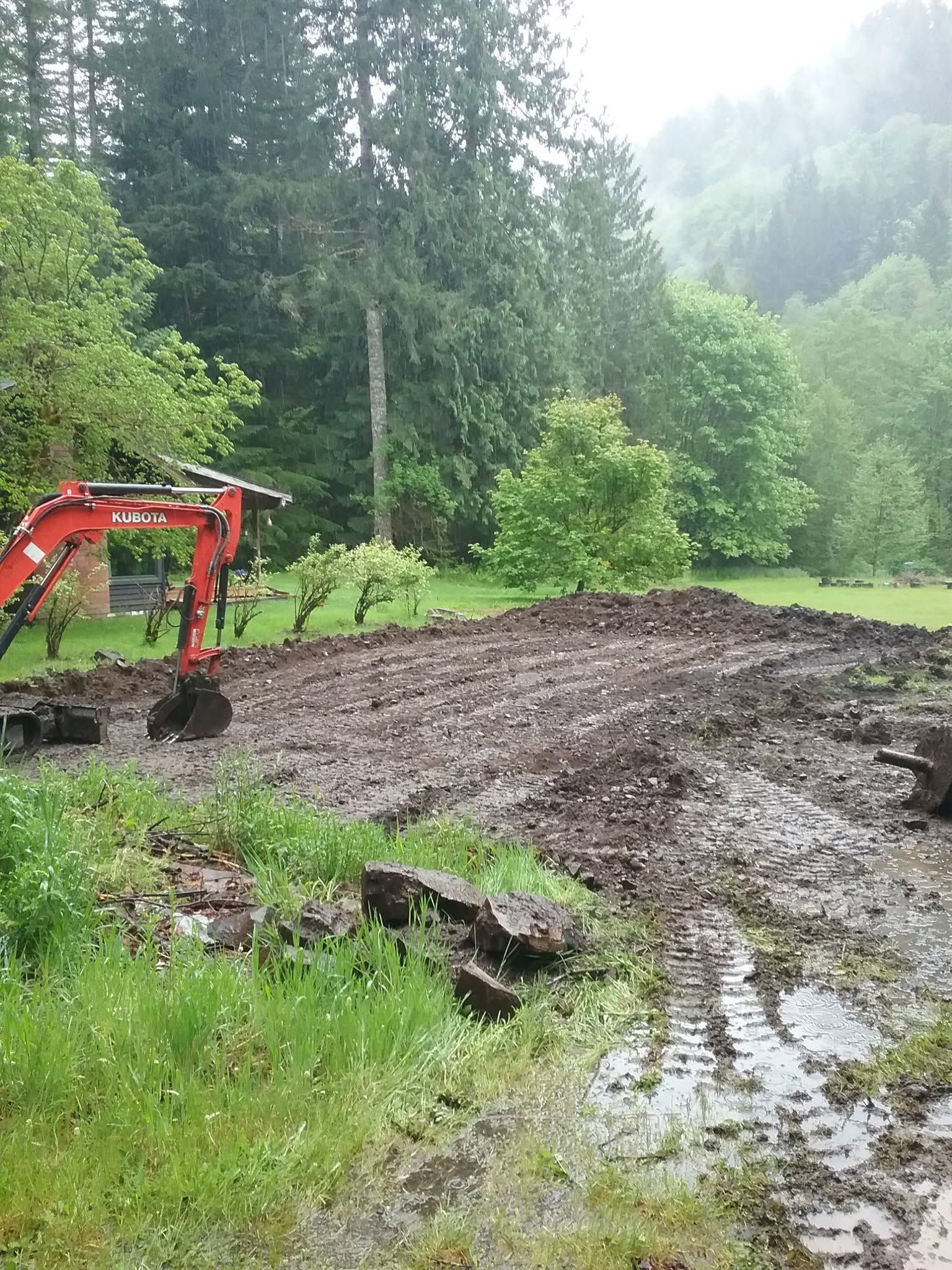
Excavation removes soil to specified depths and grades, creates level working surfaces for construction crews, and establishes proper drainage patterns before any vertical building begins. Northwest Oregon properties often present layers of clay, groundwater seepage, and uneven terrain that affect both the depth and the method of earthmoving.
Request a detailed estimate based on your property's current grade and planned construction scope.
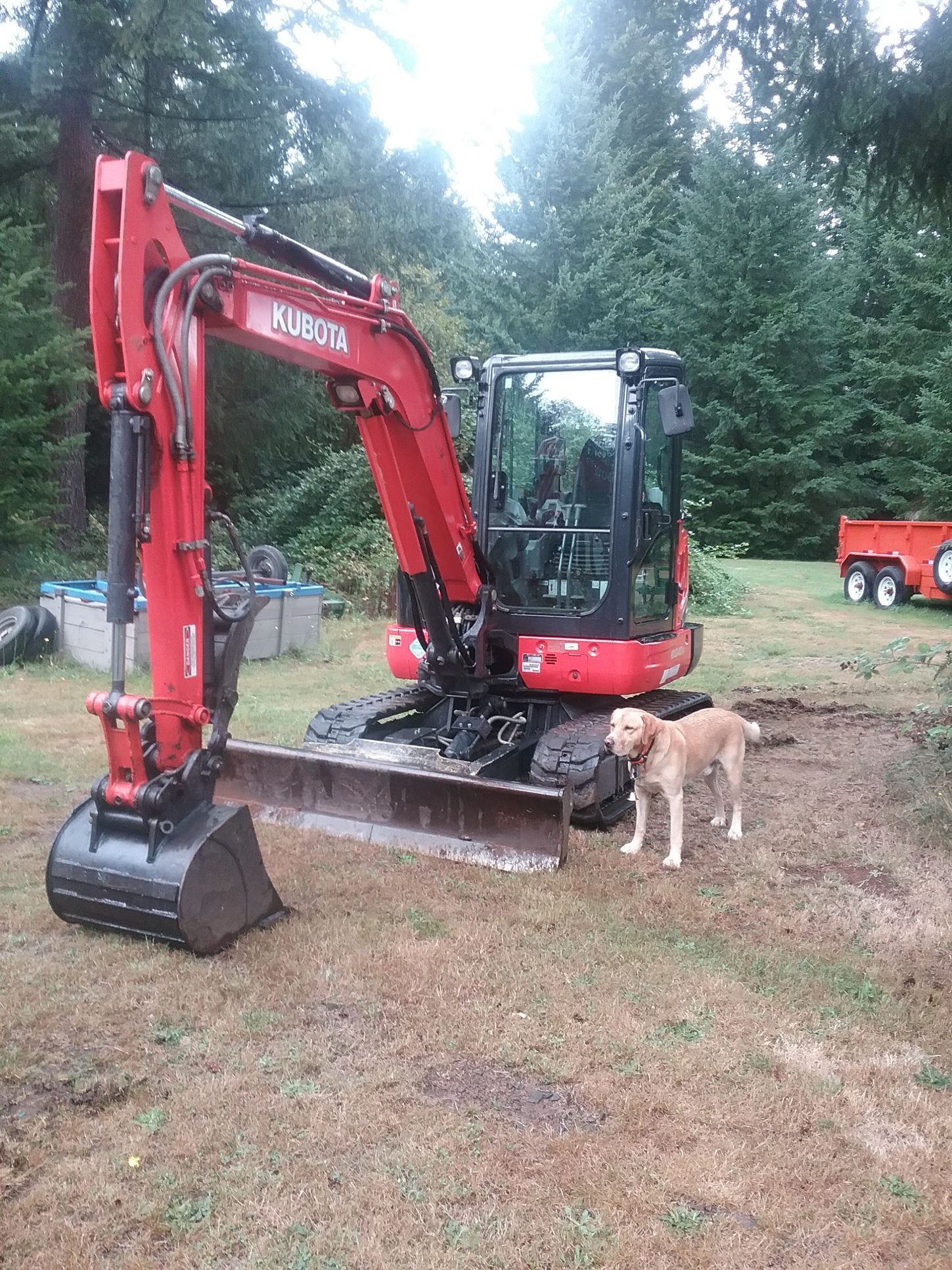
What Proper Excavation Requires
Excavation work involves clearing topsoil, cutting to the required depth for footings or utilities, and shaping the work area to match engineering specifications. The process accounts for soil composition, underground obstacles, and seasonal moisture that changes how equipment operates and how soil compacts.
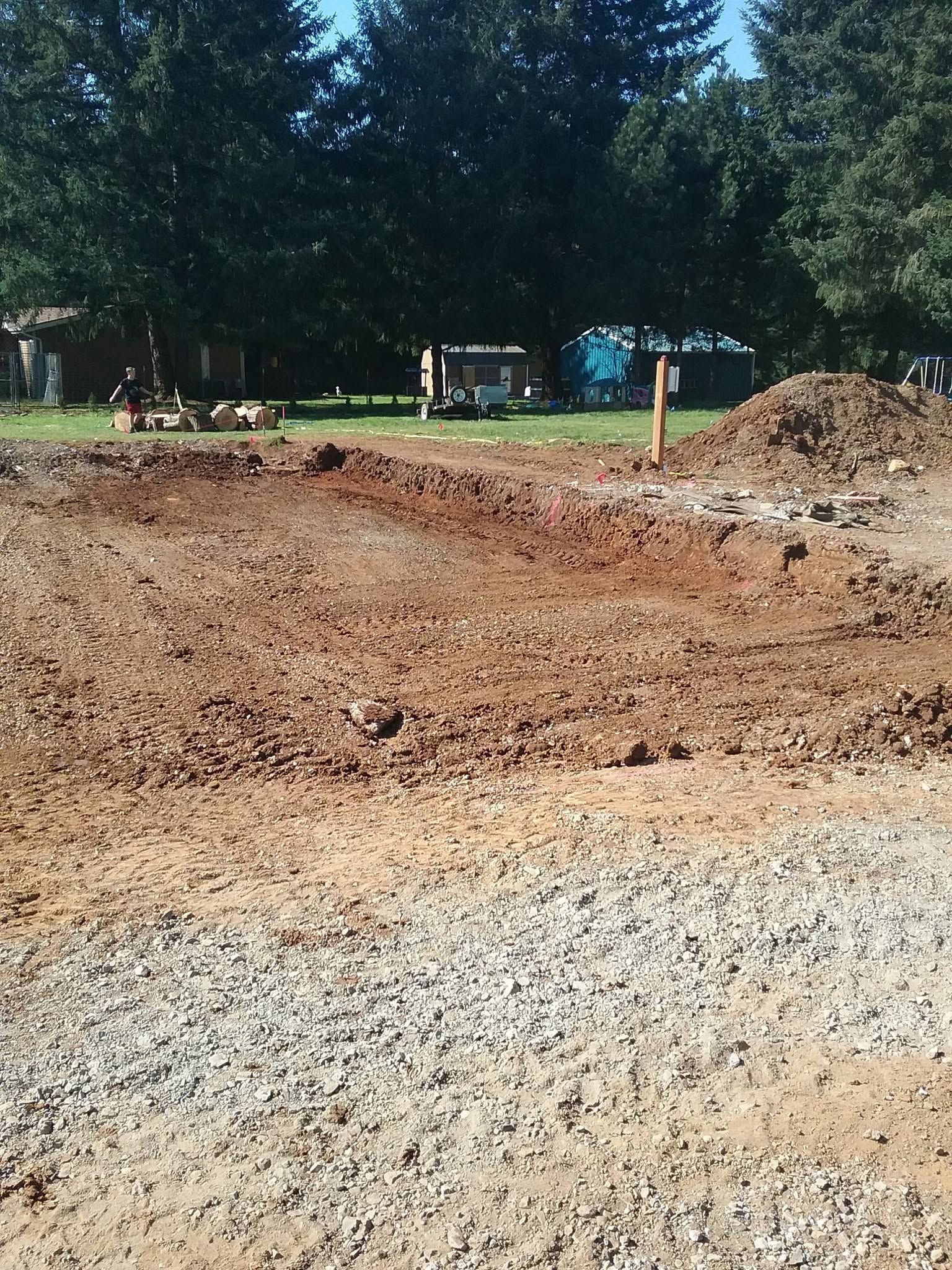
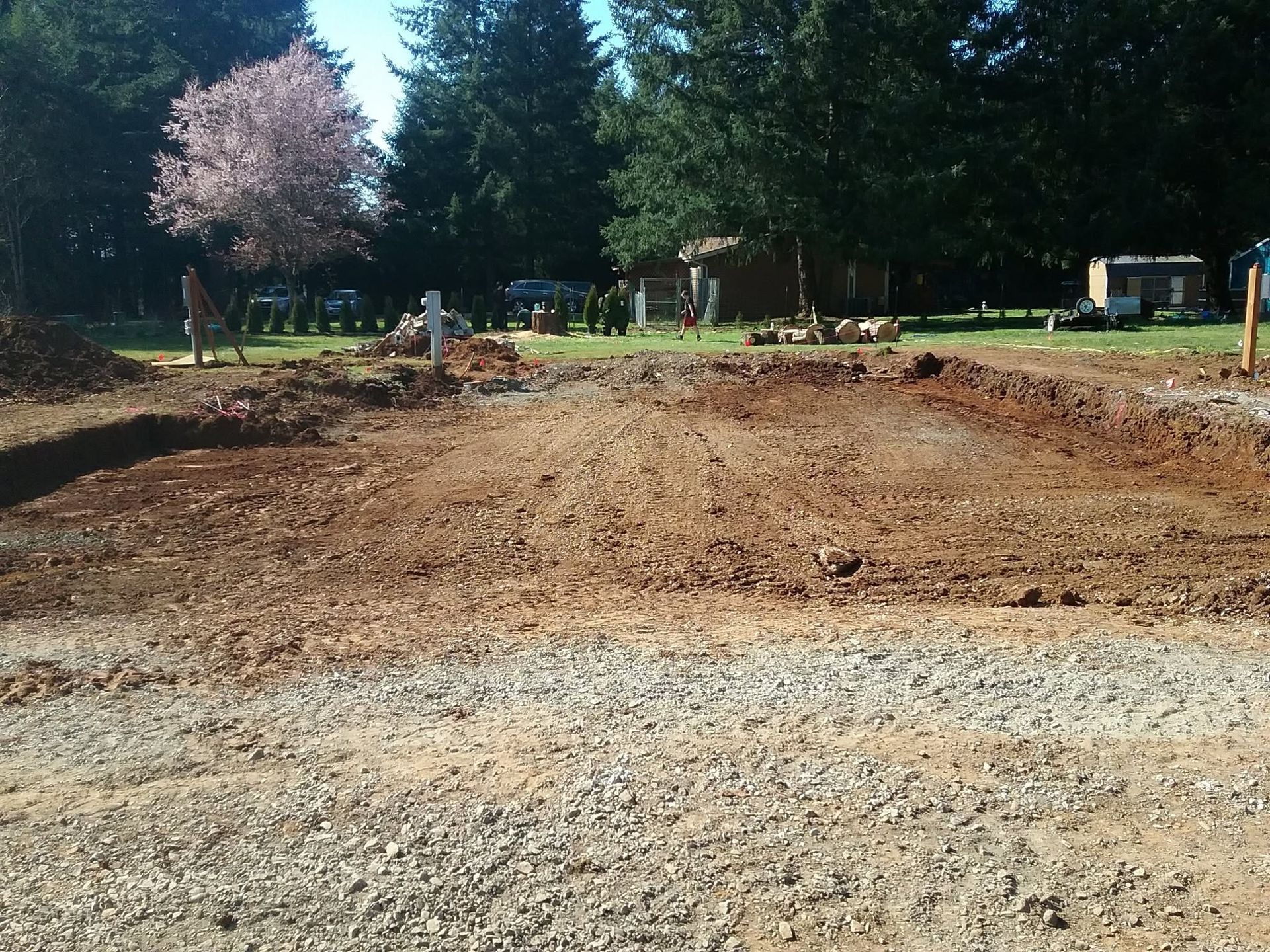
Once excavation finishes, you see level, compacted ground ready for concrete forms, utility trenches at the correct slope, and drainage patterns that direct water away from the building envelope. The site transitions from unworkable terrain to a construction-ready platform where crews can move equipment safely and set materials without shifting.
Timberline Construction LLC carries full licensing, insurance, and bonding, which protects your property during earthmoving operations. Excavation depth, equipment access routes, and spoil placement are determined during the initial site evaluation, not assumed from property descriptions alone.
Questions Before Starting Your Excavation
Property owners working with excavation contractors often ask about site conditions, timing, and what the process involves before equipment arrives.
What happens during the site evaluation before excavation begins?
The contractor walks the property to identify slope, soil type, underground utility locations, and access routes for equipment, then uses those observations to estimate dig depth, soil removal volume, and project duration.
How does seasonal rainfall in Northwest Oregon affect excavation timing?
Heavy rain saturates clay soils, which makes them harder to compact and increases the risk of trench collapse, so excavation scheduled during drier months reduces delays and avoids standing water in open cuts.
What preparation is required before excavation equipment arrives?
You arrange utility locates through the state notification system, clear the work area of vehicles and obstacles, and confirm equipment access paths are wide enough for excavators and dump trucks.
How is excavated soil managed during the project?
Soil is either stockpiled on-site for backfill and grading or hauled off depending on project needs, available space, and whether contamination or excessive clay content makes reuse impractical.
What signals that excavation is complete and ready for the next construction phase?
The site reaches specified depths verified by measurement, soil is compacted to engineering standards, and drainage slopes are confirmed before forming or utility installation begins.
Timberline Construction LLC operates with decades of construction experience and provides honest communication throughout site preparation. Schedule a property evaluation in Sandy to identify specific excavation requirements and receive a free project quote.