Controlled Removal That Clears for Next Phases
Demolition Services in Sandy for property redevelopment and renovation projects requiring structure or site feature removal
Structures slated for replacement, properties undergoing redevelopment, and renovation projects expanding beyond existing footprints require demolition that removes unwanted buildings, foundations, driveways, or site features without damaging surrounding property or complicating the construction work that follows. Timberline Construction LLC handles demolition across Sandy and Clackamas County residential sites, dismantling structures and removing concrete, asphalt, and debris to prepare properties for new construction, additions, or landscape reconfiguration. Demolition scope ranges from full house teardowns to selective removal of garages, sheds, decks, and hardscape features that no longer serve current property plans.
Demolition planning addresses access routes for equipment, proximity to structures or utilities that must remain undisturbed, and debris handling that keeps material organized for recycling, salvage, or disposal. Operators use excavators with specialized attachments to pull structures apart systematically, separating wood framing, metal components, concrete, and asphalt into distinct piles that facilitate hauling and meet disposal facility requirements. Northwest Oregon properties often include mature landscaping, overhead utility lines, and neighboring homes close to property lines, requiring controlled demolition techniques that manage falling debris, dust, and vibration.
Request a free demolition estimate to review the structures or features you need removed and coordinate the work with your property's next phase.
What Demolition Actually Accomplishes
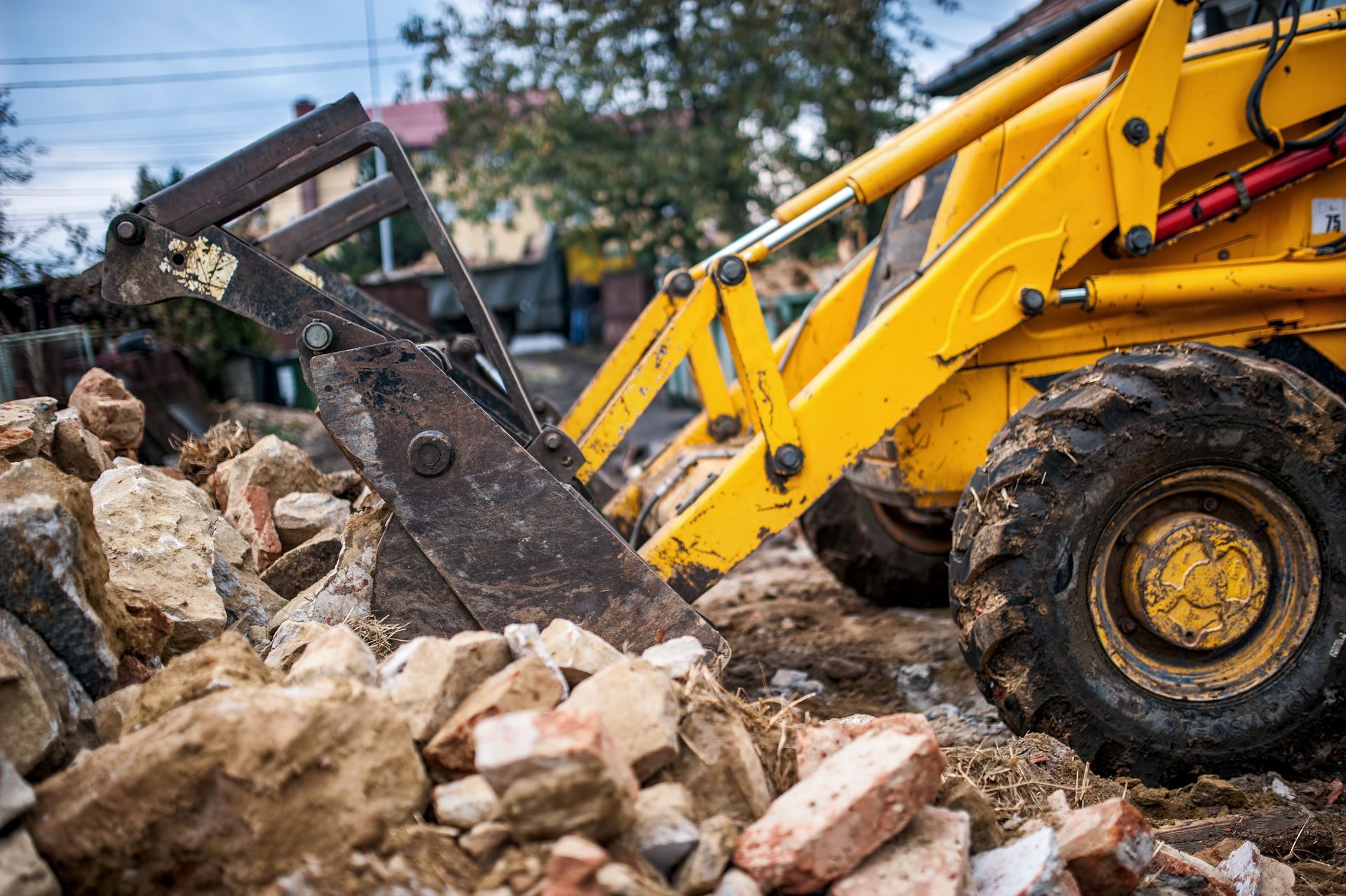
Demolition begins with disconnecting utilities, removing hazardous materials where applicable, and establishing safety perimeters that protect workers and adjacent property. Mechanical demolition uses excavators to dismantle structures from the top down or pull walls inward, collapsing framing in controlled sequences that prevent unintended impacts to foundations, underground utilities, or nearby buildings. Hand demolition supplements mechanical work in tight areas or where selective removal preserves portions of the existing structure for integration with renovation plans.
After demolition, your property shows cleared ground free from structural debris, with foundations broken up and removed if site plans call for new footings in the same location or left in place if grading allows incorporation into finished landscaping. Demolition work eliminates the visual and physical barriers that previously occupied the site, creating open space where new construction, expanded yards, or reconfigured access routes proceed without obstruction. Material separation during demolition reduces hauling costs and landfill fees by routing recyclable metal, clean wood, and concrete aggregate to appropriate facilities.
Demolition integrates naturally with Timberline's excavation, land clearing, and site preparation capabilities, allowing equipment and crew mobilization to address multiple site preparation tasks during the same project phase. This coordination shortens timelines and reduces the number of contractor handoffs required before construction activities begin.
Common Questions About This Service
Demolition involves practical considerations around safety, debris management, and coordination with property development plans that homeowners clarify before work begins.
What structures or features can demolition services remove?
Demolition addresses residential buildings, detached garages, sheds, barns, decks, porches, concrete slabs, asphalt driveways, retaining walls, and other site features that require removal to accommodate new construction, renovations, or landscape redesign projects.
How is demolition debris handled and disposed of?
Debris is separated on-site into categories such as wood, metal, concrete, and general construction waste, then hauled to recycling facilities, salvage yards, or disposal sites based on material type, with separation improving diversion rates and reducing landfill costs compared to mixed-load disposal.
What permits or notifications are required for demolition work?
Demolition often requires permits from local jurisdictions, with requirements varying based on structure size, age, and whether utilities need formal disconnection before work begins, and contractors coordinate permit applications and inspections as part of project planning.
How does demolition avoid damaging nearby structures or utilities?
Controlled demolition uses sequential dismantling, directional pulling, and hand work in sensitive areas to prevent impacts to adjacent buildings, underground utilities, and landscape features, with equipment operators maintaining awareness of overhead lines, property boundaries, and subsurface infrastructure throughout the process.
When should demolition be scheduled relative to new construction?
Demolition typically occurs early in project timelines, immediately following permit approvals and utility disconnections, clearing the site so excavation, grading, and foundation work proceed without delays caused by remaining structures or debris piles that obstruct equipment access or material staging areas.
Timberline Construction LLC operates as a licensed, insured, and bonded contractor with owner-operated oversight that maintains honest communication and competitive pricing throughout demolition projects. Request a free estimate to discuss the demolition work your property requires and coordinate removal with your redevelopment or renovation plans.